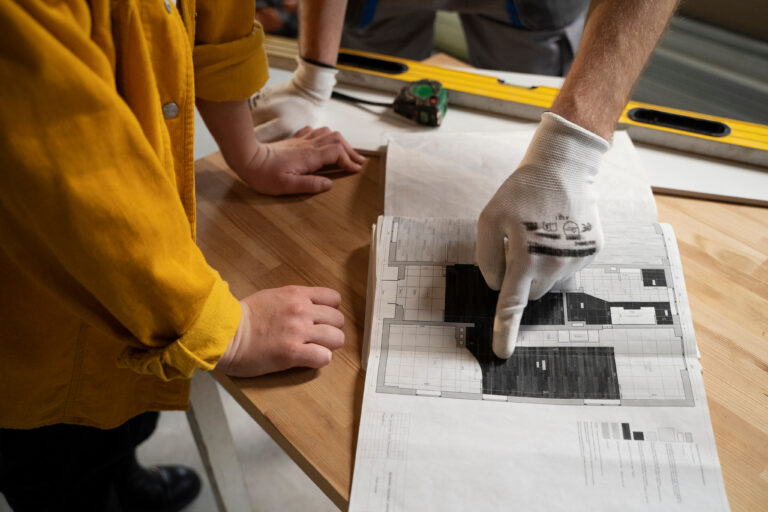
Choosing commercial premises is one of the most important steps for any business. The right decision helps you get up and running quickly, optimise costs and create a comfortable environment for your team to work in and for serving customers. A mistake, on the other hand, can result in a loss of time, money and even reputation.

The location of the premises determines the success of the business.
It is important to assess transport links, the availability of parking, footfall and the proximity of competitors. In some cases, being located alongside similar businesses can be an advantage, creating clusters for customers, whilst in others it may reduce the chances of success.
The technical condition of the premises is just as important. Checking the electrical wiring, ventilation, air conditioning, plumbing and the condition of the walls and floors helps to avoid unpleasant surprises and unnecessary expenses. Unstable electricity, leaks or poor ventilation can cause serious problems even in a perfectly decorated space.
It is equally important to ensure that the premises are suitable for your business. You should consider whether your business is permitted in the building, whether you can install a sign, whether there is enough space for equipment and work areas, and whether the premises meet health and fire safety standards. For restaurants and cafés, proper ventilation and separate areas for food storage are critical, whilst for offices, a stable electricity supply and fast internet are essential.
Many entrepreneurs focus solely on the cost of rent, but this is not enough. It is important to take into account the costs of repairs, utility bills, alterations to the premises, potential fines, and the availability of services and technical support. Often, renting a more expensive but well-equipped space turns out to be more cost-effective than saving money initially by opting for premises in poor condition.
Carrying out a technical survey before signing a contract allows you to assess the actual condition of the premises, including the electrical system, ventilation, utilities and structural elements. The survey helps to identify hidden defects and make an informed decision about renting or buying.
The lease agreement also requires careful consideration. You should check whether renovation work is permitted, who is responsible for utilities and faults, whether advertising is allowed, and what the terms are for terminating the lease. These details have a direct impact on the comfort and security of your business.
Choosing the right commercial premises involves a combination of analysis, technical inspection and an understanding of the business’s needs. It is important to assess not only the appearance but also the technical condition, legal considerations, growth prospects and long-term costs. To minimise risks and ensure a predictable outcome, it is worth considering professional support or a ‘turnkey’ premises solution. This significantly simplifies the process and allows you to focus on developing your business rather than dealing with unforeseen problems.