

Choosing premises is the most critical stage before launching a business. Mistakes here can prove costly: from delays in opening to ongoing operational issues. To avoid these risks, it is important to assess three key factors: location, the condition of the premises, and your business’s requirements.
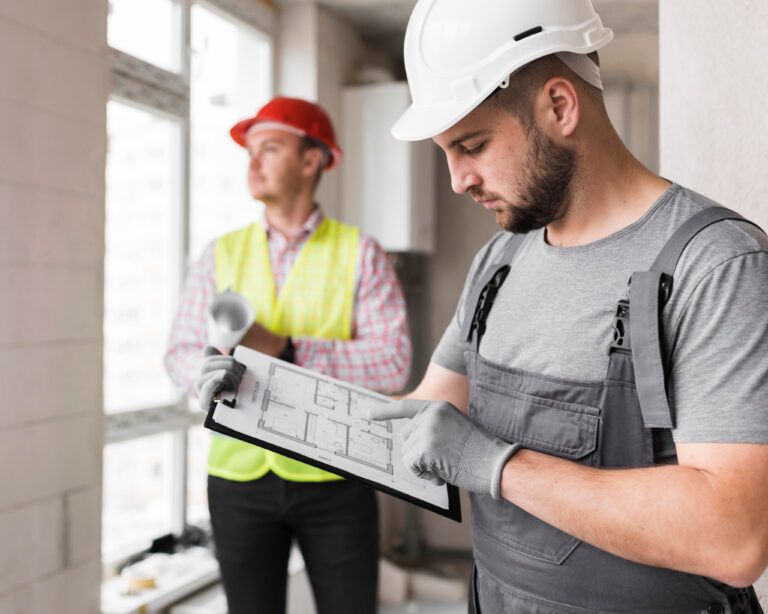
In commercial premises, faults rarely occur suddenly — they usually give ‘warning signs’. The key is to spot them in time. The most common signs are: erratic lighting or equipment. This may indicate problems with the mains supply.

Energy independence isn’t just about generators. It’s about the stability of business processes, the continuous operation of equipment and the avoidance of downtime. It’s best to start with an energy audit. This helps you understand how much energy your facility actually consumes and which solutions will be most suitable. For small facilities, a portable power station and a set of batteries for critical equipment are usually sufficient. For medium-sized facilities,…
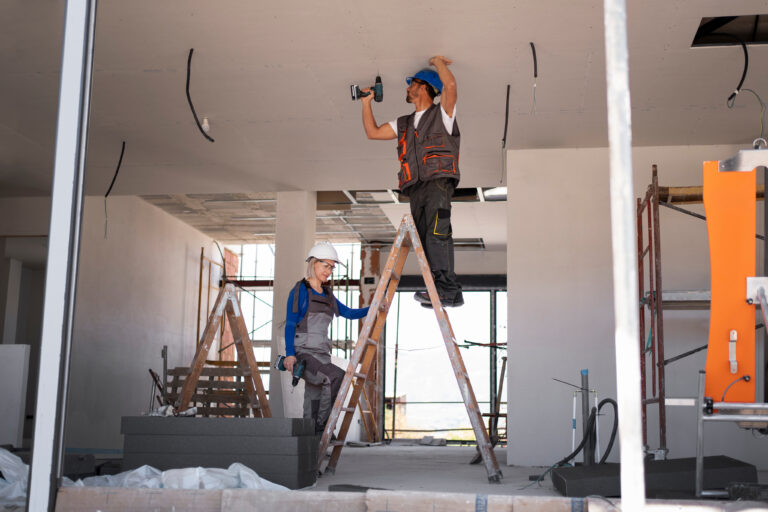
When commissioning a turnkey opening, the client is assigned a single team that takes full responsibility for the outcome. This means no chaos caused by multiple contractors, no errors in the technical specifications, and no delays or inconsistencies. The team oversees every stage: from finding the premises to the final launch. This includes design, refurbishment, technical work, paperwork and equipment installation. The main advantage is a predictable budget and fixed…
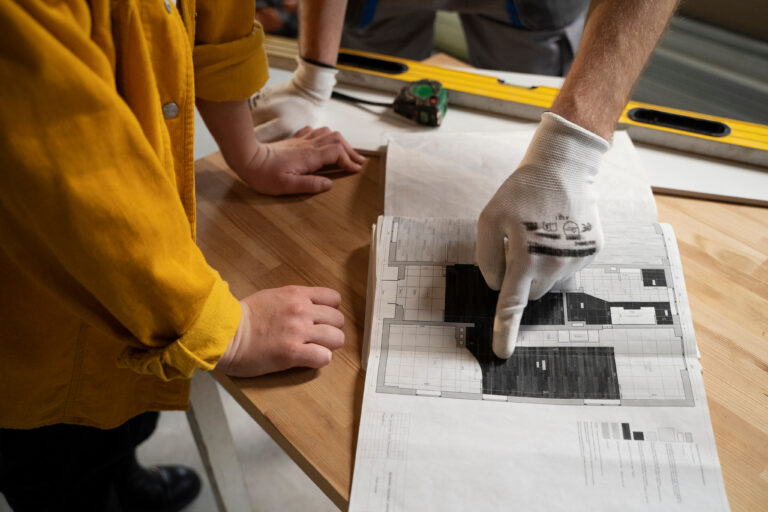
Renovation is not just about materials and design. In commercial spaces, functionality and durability are key. When planning a renovation, it is worth starting with a technical design: this allows you to take into account load-bearing requirements, the routing of utilities, the correct zoning and logistics. It is important not to skimp on key elements: electrical work, ventilation and plumbing. These are what determine safety and trouble-free operation. Materials must…